


Conditioning is more than being able to run for a long time or survive a hard class. It is the body’s ability to handle effort, recover, repeat movement, and perform daily tasks with less fatigue. Good conditioning supports stamina, strength endurance, coordination, and resilience. To build it well, people need more than one type of equipment.
A well-equipped fitness gym singapore environment can help members train conditioning in different ways. Cardio machines, resistance equipment, free weights, cable stations, bikes, rowers, and functional tools all challenge the body differently. This variety allows members to build better fitness without relying on the same routine every week.
What Conditioning Really Means
Many people think conditioning only means cardio. Cardio is part of it, but conditioning is broader. It includes how well the body handles repeated effort, how quickly it recovers, and how efficiently it moves under fatigue.
Someone with good conditioning may climb stairs without feeling exhausted, complete a workout with steady energy, carry groceries more easily, or recover faster between sets.
Conditioning can be improved through:
- Cardio training
- Strength circuits
- Interval sessions
- Functional movements
- Cycling
- Rowing
- Resistance training
- Class-based workouts
Equipment variety gives people more ways to train these areas.
Why One Machine Is Not Enough
Using one machine regularly can be useful, but it can also limit progress. For example, treadmill walking may improve general stamina, but it may not fully train upper-body endurance, strength, or movement coordination. Cycling is excellent for low-impact cardio, but it does not challenge the body the same way as rowing or strength circuits.
Different equipment creates different demands. The more intelligently people use variety, the more complete their conditioning becomes.
Cardio Machines Build the Base
Cardio machines are a common starting point for conditioning. They allow people to control time, speed, resistance, and intensity.
Useful cardio equipment includes:
- Treadmills
- Stationary bikes
- Rowers
- Elliptical machines
- Stair climbers
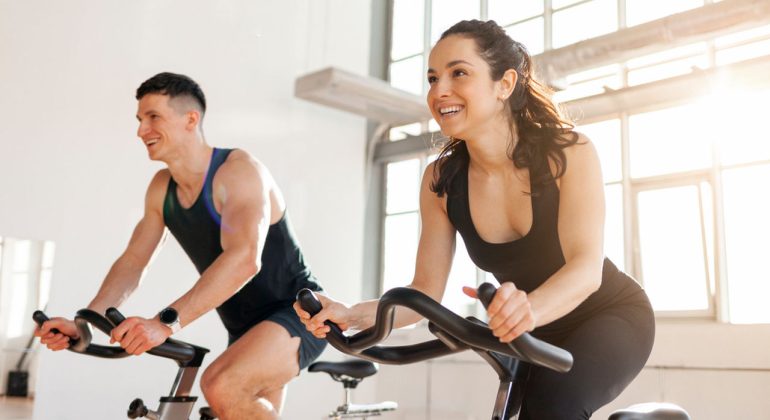
Each machine offers a different challenge. Treadmills train walking or running patterns. Bikes are lower impact and useful for intervals. Rowers involve both upper and lower body. Stair climbers challenge legs and stamina.
A varied cardio routine can prevent boredom and train stamina from different angles.
Strength Equipment Builds Work Capacity
Conditioning is not only about breathing hard. Muscles also need to handle repeated effort. Strength equipment helps build work capacity, which means the body can perform more work before fatigue becomes limiting.
Machines, dumbbells, cables, and functional equipment can all be used for conditioning. For example, a member may perform a circuit of leg press, seated row, chest press, and core work with controlled rest periods.
This type of training builds strength endurance without requiring high-impact movements.
Functional Tools Add Real-Life Movement
Functional training tools help members train movement patterns that connect more closely to everyday activity. These may include medicine balls, kettlebells, battle ropes, resistance bands, sleds, or suspension trainers.
These tools can improve coordination, balance, and full-body conditioning. They are useful because life rarely moves in one straight line. People bend, lift, carry, twist, and reach.
Functional training should be done with good technique. The goal is controlled effort, not chaotic movement.
Variety Helps Manage Impact
Not everyone can or wants to run. Some people have joint concerns, old injuries, or simply prefer lower-impact training. Equipment variety allows them to build conditioning without relying on high-impact workouts.
Low-impact conditioning options may include:
- Cycling
- Rowing
- Elliptical training
- Cable circuits
- Machine-based strength circuits
- Swimming if available
- Controlled step work
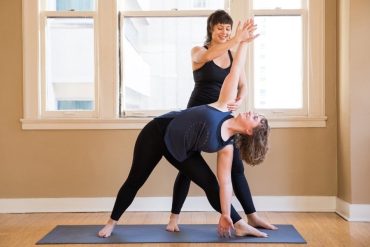
- Yoga flow classes
This makes conditioning more accessible to different fitness levels.
Equipment Variety Supports Progression
Progression is essential for fitness improvement. If someone repeats the same workout with the same settings forever, the body may stop adapting. Equipment variety creates new ways to progress.
A member can progress by:
- Increasing resistance
- Adding time
- Reducing rest
- Improving pace
- Using different machines
- Adding strength circuits
- Trying new class formats
- Tracking performance
Progress does not always mean working harder. It can also mean moving better, recovering faster, or sustaining effort longer.
Avoiding Boredom With Rotating Workouts
Boredom can make conditioning feel like a chore. Equipment variety keeps training fresh. A person may use the treadmill one week, cycling another day, rowing for intervals, and cable circuits for strength endurance.
This prevents the routine from feeling stale. It also helps people stay mentally engaged.
A simple rotation might include:
- Monday: Bike intervals
- Wednesday: Strength circuit
- Friday: Rowing and core
- Sunday: Moderate treadmill walk
This style of training keeps conditioning varied but organized.
Class Equipment Adds Energy
Group classes often use equipment creatively. Cycling classes use bikes for rhythm and intensity. Strength classes may use barbells, dumbbells, or resistance tools. HIIT classes may combine bodyweight and functional equipment.
Class-based conditioning can be motivating because the instructor controls pacing and structure. Members do not need to plan every interval or circuit themselves.
For people who dislike solo cardio, classes can make conditioning more enjoyable.
Equipment Variety Helps Different Body Types
Not every person feels comfortable on every machine. Some people prefer bikes because they feel stable. Others like rowing because it involves the full body. Some enjoy weights because they feel stronger. A gym with variety allows members to find what fits them.
This matters because comfort affects consistency. If someone hates one type of equipment, they should not assume fitness is not for them. They may simply need a different training tool.
Conditioning Should Include Recovery
Better conditioning does not mean pushing hard every day. Recovery allows the body to adapt. A good gym routine should include both challenging sessions and lighter sessions.
Equipment variety helps here too. On a lower-energy day, a person can choose light cycling, mobility work, or moderate treadmill walking instead of intense intervals.
This flexibility keeps the routine alive without overloading the body.
How Members Can Use Variety Without Getting Random
Variety is useful, but too much random training can reduce progress. Members should choose equipment based on goals.
A practical approach is:
- Pick one main conditioning focus for the month
- Use two or three equipment types
- Track time, resistance, or effort
- Include one lower-intensity session
- Add strength endurance once a week
- Avoid changing everything every session
This keeps training fresh but still purposeful.
The Role of a Full Gym Environment
A full gym environment makes conditioning easier because members have many options in one place. They can use cardio machines, strength tools, classes, and mobility zones without needing separate facilities.
This is especially helpful for people with busy schedules. They can complete a well-rounded session efficiently.
Where Brand Fit Matters
Equipment variety matters because it gives people more ways to build stamina, strength endurance, and confidence. A gym should offer enough options for different goals, body types, and energy levels.
For those comparing indoor fitness options, True Fitness Singapore can be considered by people who want a gym environment with varied training tools that support practical conditioning in Singapore.
FAQ
Is conditioning the same as cardio?
No. Cardio is part of conditioning, but conditioning also includes strength endurance, recovery ability, and repeated effort.
What equipment is best for conditioning?
There is no single best option. Bikes, treadmills, rowers, strength machines, cables, and functional tools can all be useful.
Can conditioning be low impact?
Yes. Cycling, rowing, elliptical training, and machine circuits can build conditioning with less impact than running.
How often should conditioning be trained?
Many people benefit from two to three conditioning sessions per week, depending on goals and recovery.
